Interview with Mike B from Fantasy Shops in STL
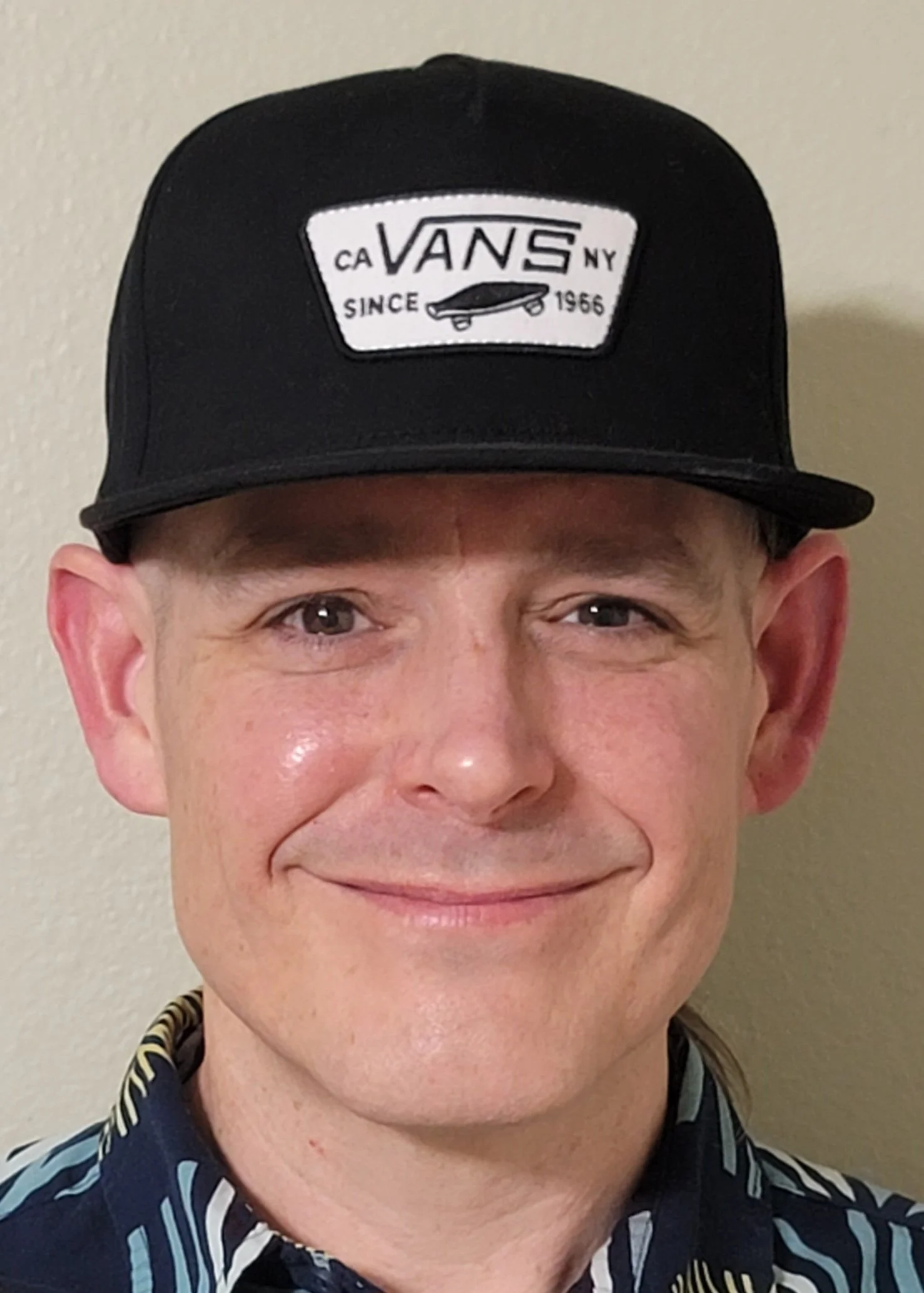
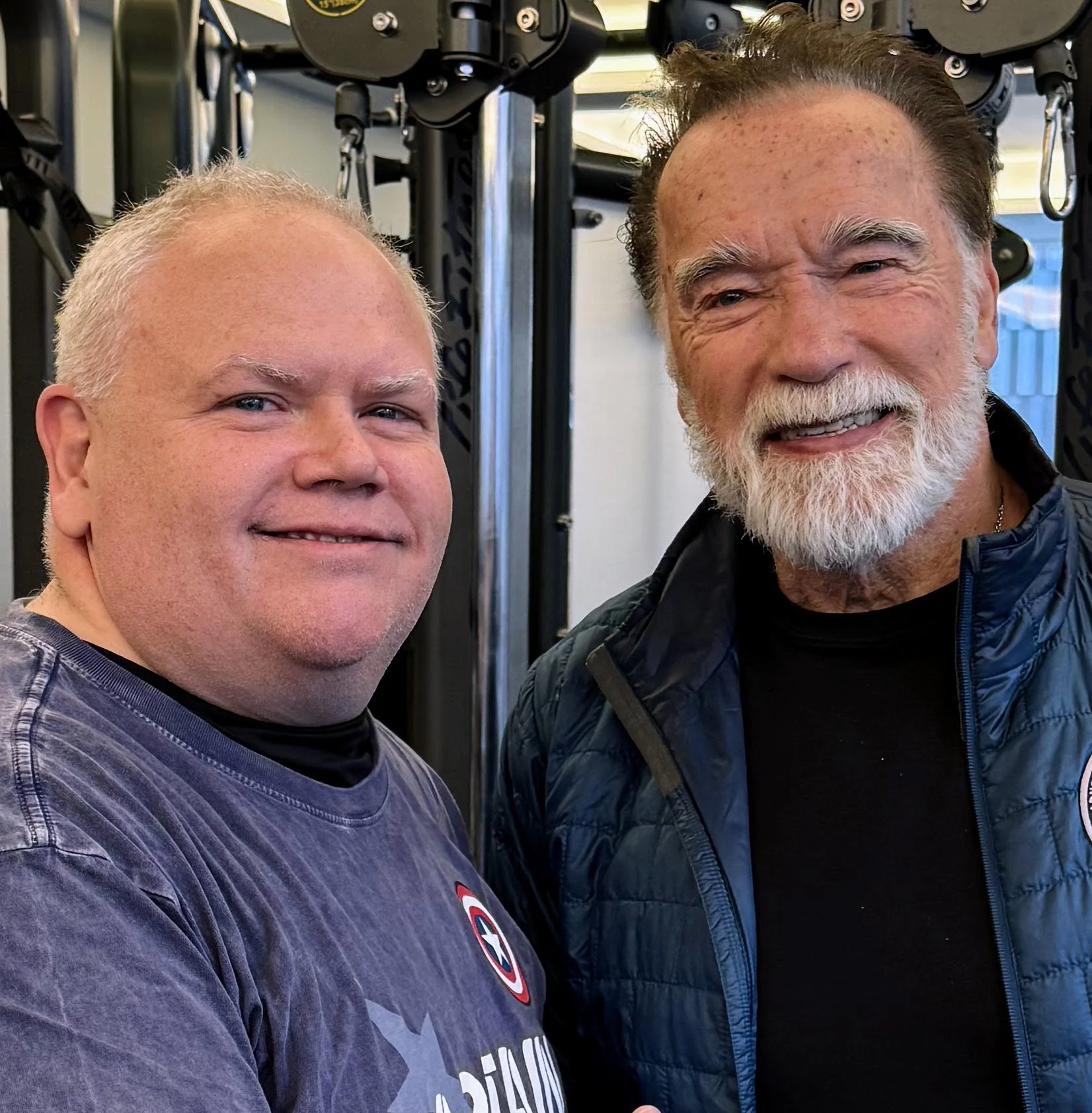
Rich Gain: Mike, thank you for taking the time to speak with me. I first wanted to check in after the passing of Dave in August. I always appreciated his seminars.
Mike B: Thank you, Rich. Life has been a little challenging since Dave passed away, but things are good.
Rich Gain: I'm glad to hear that. For our readers, could you give a little background on Fantasy Shop?
Mike B: Absolutely. We’ve been operating since 1981 in the St. Louis area and currently have four stores. We carry a diverse mix of products: board games, miniature gaming, card games, as well as comic books, trade paperbacks, graphic novels, and other hobby-related items
Rich Gain: That's an impressive run since 1981. What would you say is the core philosophy of Fantasy Shop's business?
Mike B: Our core is not just about closing sales; it’s about building a sense of community and ensuring a good customer experience. I had the privilege of speaking at GAMA this year, and I emphasized that customer interaction is what Fantasy Shop truly prides itself on.
Rich Gain: That community aspect is so important—I felt the same way when I ran my store for 18 years. How would you describe the current health of the board game market for your stores?
Mike B: I would say board games are very healthy for us. They don't generate the volume of sales that Trading Card Games like Magic the Gathering or Pokemon do, but overall, they do very well throughout the year.
Rich Gain: And what is the biggest challenge you face in the board game space right now?
Mike B: There are simply too many board games being released, and too many places offering exclusives. As a buyer, I have to juggle multiple distributors and publishers to go direct for certain games. With so much new product coming out, it's very difficult to discern what is going to be a "banger" or a hit for our specific brand.
Rich Gain: So, when you are deciding what to stock, what are the most influential factors in that buying process?
Mike B: TikTok is absolutely number one, and YouTube reviewers are number two. Number three would be direct outreach from distributors. For example, my Asmodee rep is outstanding—he will proactively pick up the phone and call me with tailored product suggestions based on our past spending habits.
Rich Gain: That sounds invaluable. What, in your view, are the qualities of a great publisher?
Mike B: Honestly, it really is all about consistent and effective communication. With the volume of new releases, I sometimes miss things. I prefer publishers or distributors who proactively reach out about restocking or new products. As a Gen X'er, I prefer a phone call to email or text; it’s a much better experience and far more likely to get a response and an order from me.
Rich Gain: Moving to customer trends, what types of games have been most successful for you recently?
Mike B: Two-player and cooperative games have been "outstanding" for us in 2024 and 2025. The Horrified game line is actually our best-selling product, even though it has one of our worst margins due to shopping between multiple distributors like GTS and Southern Hobby for better deals and turnaround.
Rich Gain: That brings up an important point about the retail shelf. When a customer walks in, how important is the physical presentation of the game?
Mike B: It's absolutely critical. The reality is that games will be "spined"—side out—on the shelf, not face-out, and they need to sell on that basis. The spine of the box has to jump off the shelf and communicate the necessary information to the customer, because our staff can't talk to every single person.
Rich Gain: Looking at marketing, what strategies from publishers actually help you sell games?
Mike B: Marketing materials that are easily downloadable and ready for social media or in-store use are great, like the materials provided for the pre-release event for the Two Towers Trick Taking game through Asmodee. But the most useful material for my staff is a simple sell sheet that clearly summarizes the game, its MSRP, player count, a synopsis, and why it's interesting to play.
Rich Gain: I've outlined a few ideas on how Dara can help retailers like Fantasy Shop. The first is a demo event program where a fan runs a 2-3 hour demo in-store in exchange for a $40 gift card, which Dara would then reimburse with product.
Mike B: I like that idea. It addresses the issue we've had with external representatives who aren't the best ambassadors for the hobby or the game and often don't fit our audience. The Blue Orange model of using in-store reps was great, but often financially untenable.
Rich Gain: My second, larger idea is a Shelf Space Initiative: Dara would buy a shelf, dedicate it to our products, and send your stores $500 worth of free product monthly to fill it. What are your initial thoughts on that?
Mike B: We would absolutely give it a try.
Rich Gain: That's great feedback. One final question: if you could ask publishers to change one thing to help retailers, what would it be?
Mike B: Fewer new releases and more reprints. This would allow catalog items a longer lifespan and give them a chance to become "evergreens." We base reorders on feedback from our store managers, and a game becomes evergreen either by clicking in the "zeitgeist" from sources like TikTok, or by resonating with the staff’s passion, making them comfortable and confident talking about it. We will invest in training staff for a game we personally believe in.
___
Check out Mike’s store, Fantasy Shop, here.
Check out more interviews on our Dara Daily Newsletter!