Interview: A Retailer's Perspective on the Board Game Market
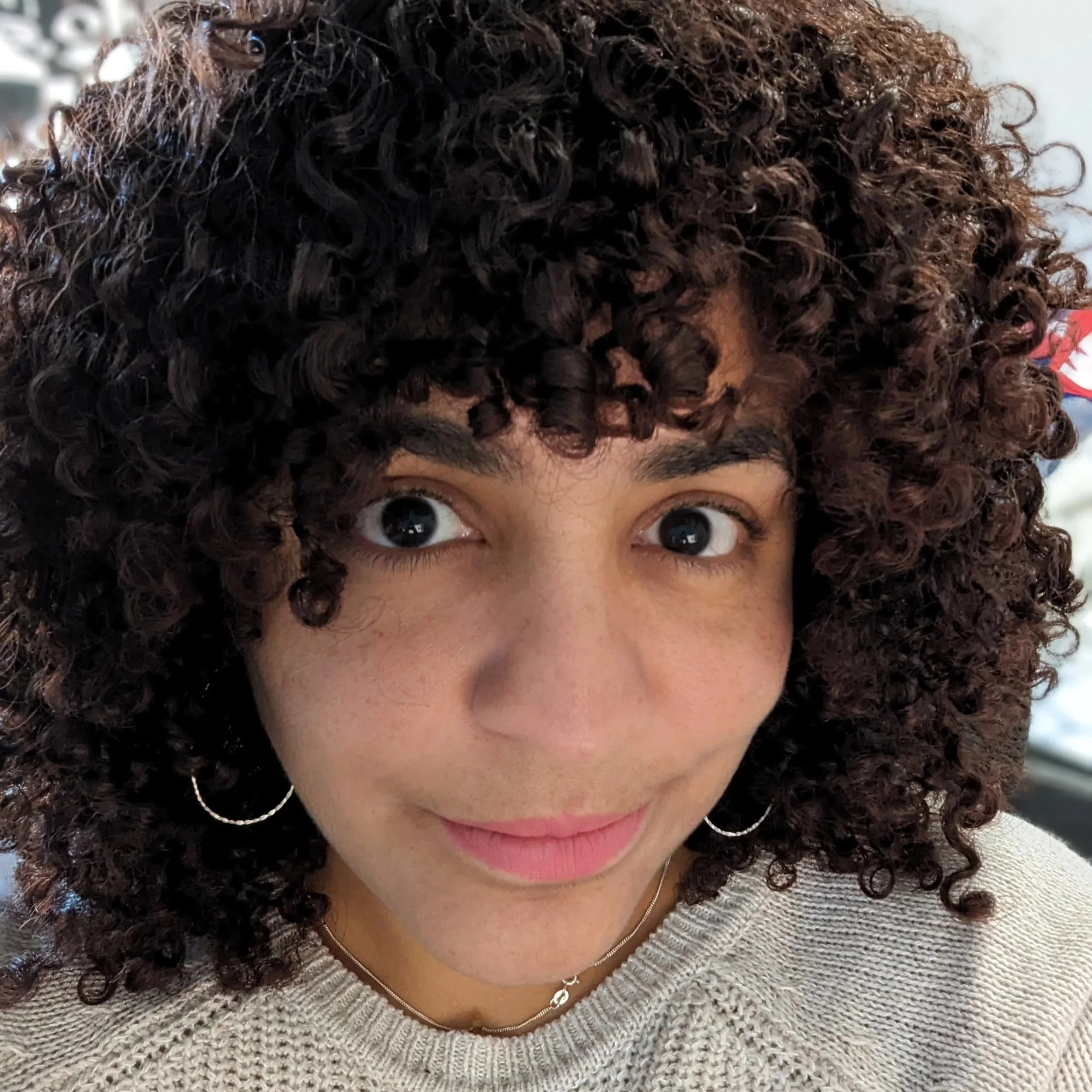
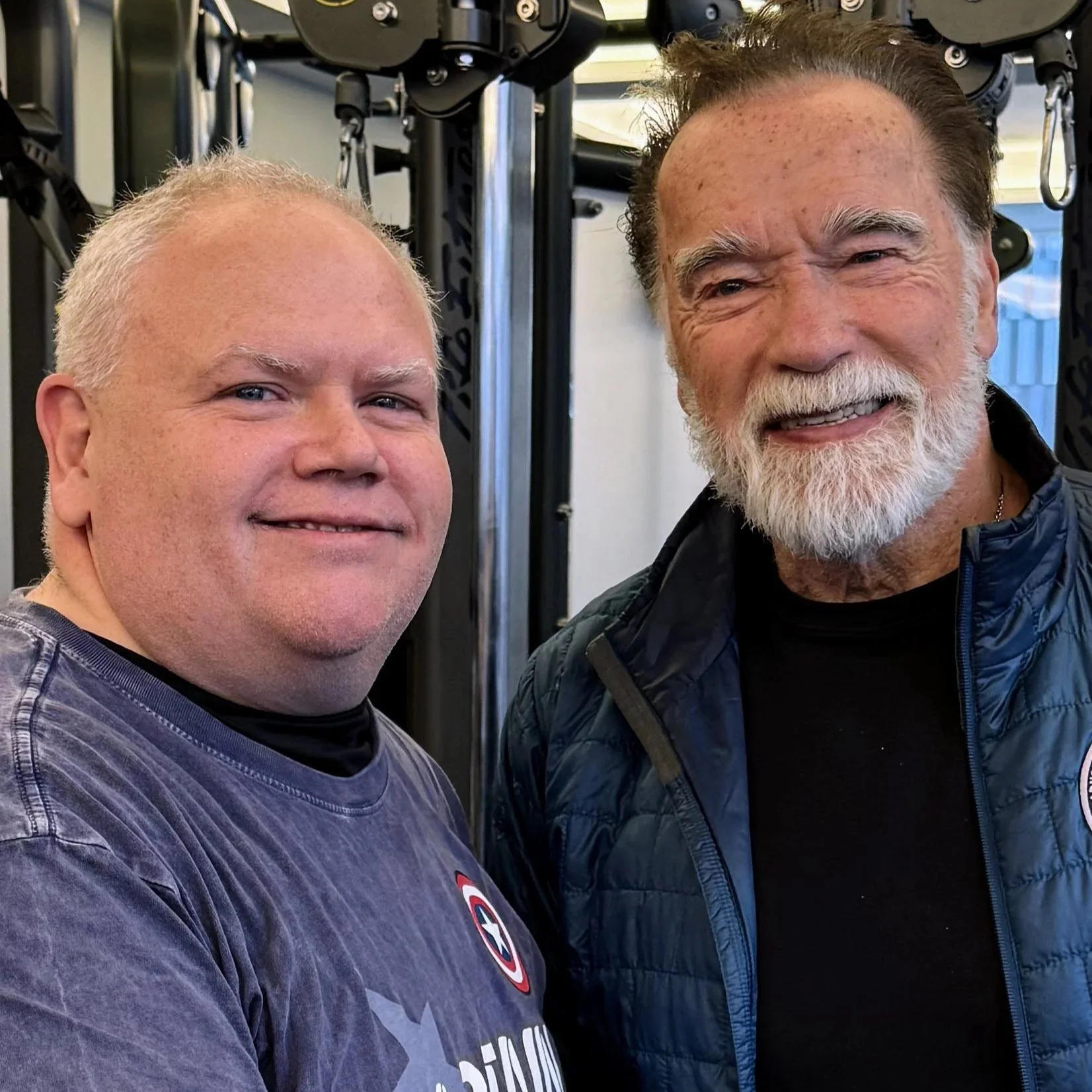
This interview with Dianna Lora, owner of a new book and game store in Cedar Park, Texas, offers valuable insights for other U.S. retailers. The conversation, led by Richard Gain, covers the current health of the board game market—described as "pretty well" despite challenges like tariffs and "discoverability"—and effective marketing strategies. Dianna Lora highlights the success of in-store demos and personalized staff recommendations. Richard Gain shares ideas like regional cable ads and a local volunteer program, while Dianna Lora emphasizes the need for hyper-local advertising and more attention-grabbing marketing materials from publishers. The discussion also touches on inventory challenges, distributor demo programs, community events (like a Warhammer hobby night), and excitement for a potential Fog of Love Valentine's Day promotion.
The Secret Lantern: Books & Games is is vibrant new indie bookstore and game hub in Cedar Park, Texas, co-founded by videogames industry veterans Dianna Lora & Dan Condaxis, offering books, comics, TTRPGs, and hosting creative events like game nights and workshops in a cozy, community-focused space, aiming to be a "third place" for readers, writers, and gamers.
-———————
Richard Gain: Welcome, Dianna. I really appreciate you taking the time to speak with us. The goal of our new retailer newsletter is to understand the market from your perspective, so we can better communicate and help you sell our games. To start, how would you describe the current health of the board game market for your store right now?
Dianna Lora: We're actually doing pretty well. Our store is fairly new, but we've been successful in attracting folks who don't traditionally play board or card games, and people have been much more open to trying new things. I think the board game market is doing pretty well, but we are suffering a bit from tariffs, which are causing backorders and preventing us from getting games into players' hands quickly.
Richard Gain: That's a challenge, for sure, though many of our core titles weren't affected, and most in-stock games have held their original price. What would you say is the biggest challenge right now for your relatively new store?
Dianna Lora: The biggest challenge is definitely discoverability. We have high ratings from everyone who visits, and we're unique in our area—we’re a book and game store in Cedar Park, just outside Austin, and we'll soon be offering beer and wine. But getting people in the door for the first time is the hurdle.
Richard Gain: I've been in retail for 18 years, and I've seen a few things work. For marketing, we had success buying regional ads on cable networks like Comcast during popular shows—it was surprisingly low cost. Also, check with publishers about co-op advertising; some, like DC Comics, might reimburse you with store credit for your costs.
Dianna Lora: That makes sense. We’ve found that hyper-local, targeted advertising is key. We get good results spending a small amount daily on targeted social media ads. Honestly, we need more support from publishers on the marketing side, beyond simple cardboard displays. We'd love small, colorful blurbs and materials, maybe even with QR codes to "how-to-play" videos, especially since our store has high ceilings, so small bags with extra goodies really help boost sales, especially for games that are moving slowly.
Richard Gain: I hear you on that. We also used to cultivate relationships with local reporters and give them pre-written articles disguised as press releases. It secured us free advertising and really promoted the store. On the publishing partner side, what does a good partner look like to you?
Dianna Lora: An open relationship is crucial—I value being able to have a conversation about product recommendations and market trends more than formal interactions. I need a partner who sees the value in supporting independent retailers. That's why retailer exclusives are so important, like special book covers or extra chapters in the book industry. They drive in-store traffic and give us a real way to compete with the deep discounts of large corporations like Amazon.
Richard Gain: Absolutely. We’re working on that. Just to confirm, our products are consistently available through ACD Alliance, GTS, and Alliance. Speaking of inventory, which games are selling well for you right now?
Dianna Lora: We sell a wide variety of games. Party games and family party games like Five Minute Dungeon are consistently popular. The key to our strong sales across all price points—even for games over $100—is our successful game demos and the personalized recommendations from our staff. They hand-sell items, and they easily sell games they have played, understood, and loved.
Richard Gain: That's the ideal retail scenario. To help your staff get that hands-on experience, we have a demo program with ACD Alliance and GTS that allows retailers to purchase demo copies of our games at a lower price.
Richard Gain: So, how do you discover new games to stock?
Dianna Lora: Our main sources are our customers, our events, Discords, and TikTok influencers. We use Board Game Geek for research and checking ratings, but ultimately, our decision to bring in new games is based on a combination of initial reviews, personal playtesting, and, most importantly, honest feedback from our local Austin board gaming groups on Discord.
Richard Gain: What are your initial stocking and restocking indicators?
Dianna Lora: We typically start with two copies of a new release, sometimes three or four if a customer provides a strong recommendation, which has proven very reliable. We identify an "evergreen" product when it "flies off the shelf every week," and that prompts us to start stocking in cases after seeing consistent sales at least twice.
Richard Gain: I've always believed Decorum, Fog of Love, Sagrada, and Kites are games every store should stock based on their consistent convention sales. Speaking of stocking, you mentioned some challenges with Alliance?
Dianna Lora: Yes, we confirmed we work with Alliance, and their warehouse is nearby, but their Southern warehouse seems less stocked. Plus, they’re undergoing system updates after being purchased by Universal, leading to website inconsistencies in stock levels.
Richard Gain: Alliance, ACD, and GTS floor our products, meaning they should be in stock. If you need to, try ordering from the Midwest warehouse, as free shipping minimums often apply. We also need to figure out a way for customers to see our stock to facilitate pre-ordering and direct ordering—that's a current barrier for us. I’ll talk to my buyer about that.
Dianna Lora: We need that ability for games like we have for books. We’re hand-putting things into the system right now, which is difficult.
Richard Gain: I completely understand, I had a similar "hard wall" between Alliance and Diamond's systems when I ran a comic book store. Hopefully, a new ERP system will make all that much easier. I need to wrap up, but I'll consolidate these notes into an article and share it for your review before we publish it in our newsletter. Thank you again for your time!
Dianna Lora: Thank you! I look forward to reviewing the article and keeping in touch.
---
Find out more about Dianna’s Store, The Secret Lantern: Books & Games, here.
Check out more during our Dara Studios Daily Newsletter!
Are you a retailer and want to be interviewed? Go to the contact page and reach out!